Introduction
Most people believe interior design is only about choosing beautiful furniture or matching colors. In reality it is much deeper than that. Professional interior design shapes how a space feels, how people move within it, and how effectively it serves its purpose. A well designed space can improve comfort, productivity, creativity, and even emotional wellbeing.
Think about walking into two different offices. One feels crowded, poorly lit, and disorganized. The other feels calm, open, and inspiring. The difference is rarely about expensive furniture. The difference is thoughtful planning and professional design decisions.
Professional interior designers combine practical knowledge with creative thinking. They understand how lighting affects mood, how space planning improves movement, and how materials influence durability and maintenance. Every design choice is made with a purpose.
This article explores how professional interior design transforms ordinary spaces into environments that support both function and beauty. You will also see how expert planning, smart layouts, and thoughtful details create a space that truly works for the people who use it.
The Power of Professional Interior Design
Professional interior design is not just decoration. It is a structured process that begins with understanding how a space will be used. Designers study the behavior of people in that environment and then plan the layout accordingly.
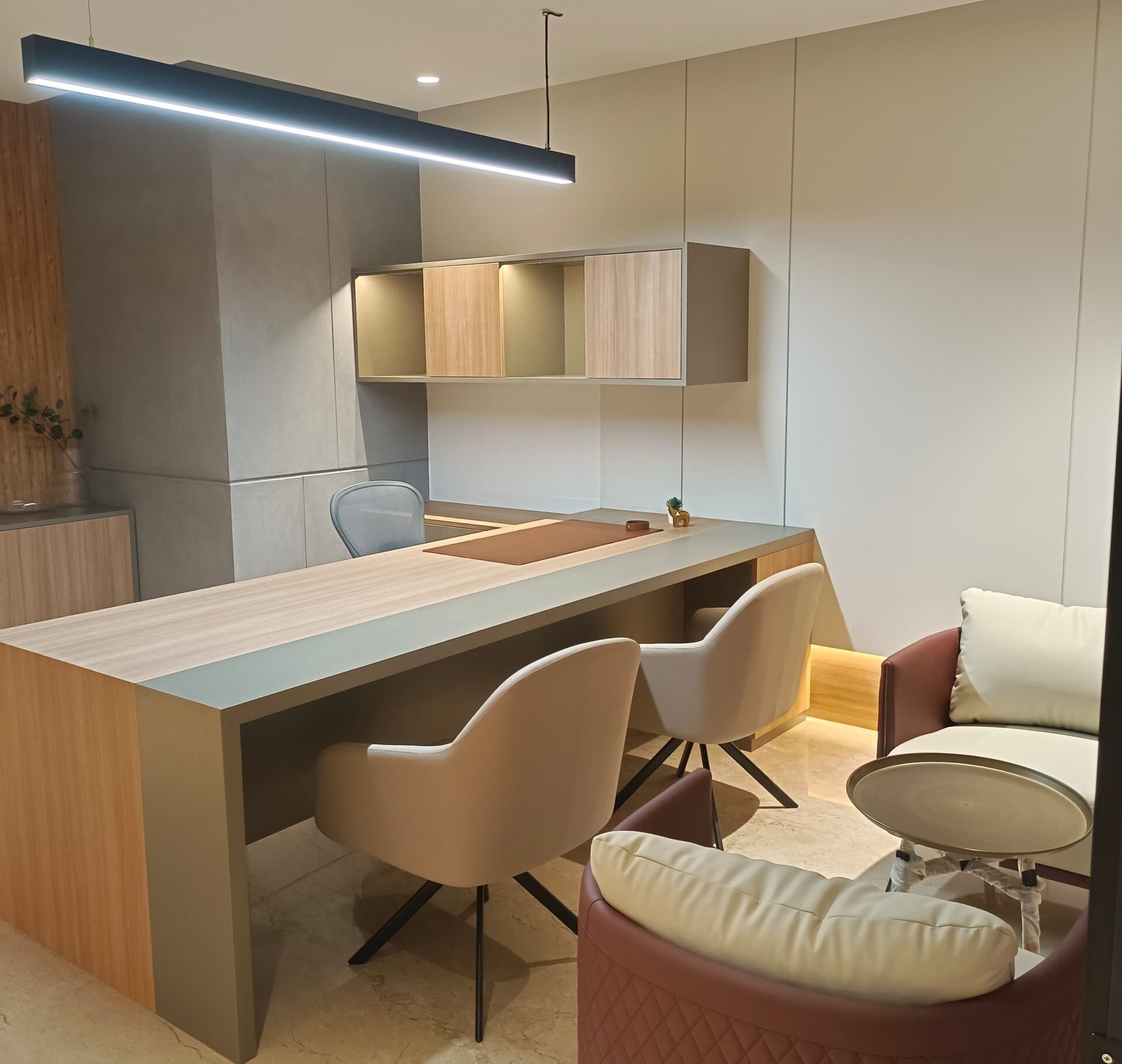
For example, consider a corporate office. Without proper planning desks might be placed randomly, meeting rooms may be too small, and employees may struggle with noise or poor lighting. A professional designer studies how teams collaborate, where privacy is needed, and how natural light moves through the building.
The result is a workspace that supports productivity. Employees can focus better, communicate easily, and feel comfortable throughout the day.
In homes the transformation is just as powerful. A living room may look attractive but still feel uncomfortable if furniture placement blocks natural movement. Designers reorganize the layout so people can walk freely, interact comfortably, and enjoy the space without feeling cramped.
Interior design also considers long term value. Materials are selected based on durability, maintenance needs, and cost efficiency. A professional designer does not simply choose what looks good today. They plan for how the space will function years into the future.
How Smart Space Planning Improves Everyday Life
One of the most important roles of interior design is space planning. Many people underestimate how powerful this step is.
Space planning means organizing furniture, storage, and circulation areas in a way that makes movement natural and efficient.
Understanding Human Movement
A professional designer studies how people move within a room. Doorways, walking paths, and work zones must all work together without causing congestion.
For instance in a kitchen the refrigerator, sink, and cooking area must be positioned logically. If these elements are too far apart cooking becomes inefficient. If they are too close the space feels cramped.
By carefully planning these relationships designers create spaces that feel effortless to use.
Maximizing Limited Space
Space planning becomes even more valuable in smaller environments such as apartments or compact offices.
Instead of filling a room with oversized furniture designers choose pieces that provide multiple functions. A storage bench can also serve as seating. A wall mounted desk can create a workspace without occupying the entire room.
This thoughtful planning allows small spaces to feel open and organized rather than crowded.
The Role of Lighting in Transforming Interiors
Lighting is one of the most powerful tools in interior design. It affects mood, visibility, and overall atmosphere.
Natural light is always the first priority. Designers position seating areas and workspaces where daylight can reach them. This not only improves comfort but also reduces energy consumption.
Artificial lighting is layered to serve different purposes. Ambient lighting provides overall brightness. Task lighting supports activities such as reading or cooking. Accent lighting highlights architectural features or artwork.
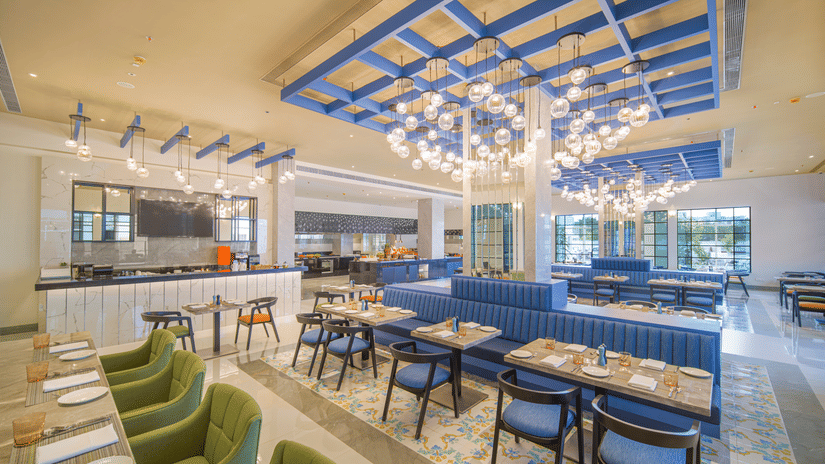
For example a restaurant may use warm lighting to create a relaxed and inviting atmosphere. A corporate office may use brighter neutral lighting to improve concentration and reduce eye strain.
Professional designers carefully balance these layers to create a space that feels comfortable at any time of day.
Materials and Textures Shape the Experience of a Space
The materials used in an interior environment influence both appearance and durability. A designer understands which materials perform best in different conditions.
In high traffic office areas durable flooring materials are essential because they must withstand constant movement. In residential bedrooms softer textures create a sense of warmth and comfort.
Textures also add visual depth. A room that uses only smooth surfaces can feel cold and lifeless. Introducing natural wood, fabric, stone, or textured wall finishes creates balance and visual interest.
These subtle details make a space feel carefully designed rather than randomly assembled.
Color Psychology Influences Mood and Behavior
Color selection is not simply about personal preference. Different colors influence emotions and behavior in powerful ways.
Soft neutral tones often create calm and relaxation. This is why they are commonly used in bedrooms and lounges. In contrast brighter colors can stimulate energy and creativity which makes them suitable for collaborative workspaces.
Professional designers also consider how colors interact with lighting. A color that looks perfect in natural daylight may appear very different under artificial lighting.
By testing and balancing these factors designers ensure the final result feels harmonious and comfortable.
The Long Term Value of Professional Design
Investing in professional interior design creates long term benefits that many people overlook.
First it improves functionality. A well designed space allows people to perform their daily activities efficiently and comfortably.
Second it increases property value. Homes and offices with thoughtful design often attract greater interest in the market because buyers recognize the quality of planning and materials.
Third it reduces costly mistakes. Many people attempt to design their own spaces only to discover later that furniture does not fit properly or storage is insufficient. Professional designers prevent these issues by planning everything carefully from the beginning.
Ultimately interior design is not just about aesthetics. It is about creating environments that support the way people live and work.
Conclusion
Professional interior design transforms spaces by combining creativity with practical knowledge. It studies how people move, how lighting affects mood, and how materials perform over time.
A well designed interior is not simply beautiful. It is functional, comfortable, and efficient. Every detail serves a purpose from the placement of furniture to the choice of colors and textures.
Whether it is a home, an office, or a commercial environment, thoughtful design has the power to change how people experience their surroundings. It can make a workplace more productive, a home more relaxing, and a public space more welcoming.
When professional design expertise is applied carefully the result is a space that not only looks impressive but truly enhances everyday life.